 Skip to content

Uncategorized
Custom Canopy Tent Manufacturer

Nov
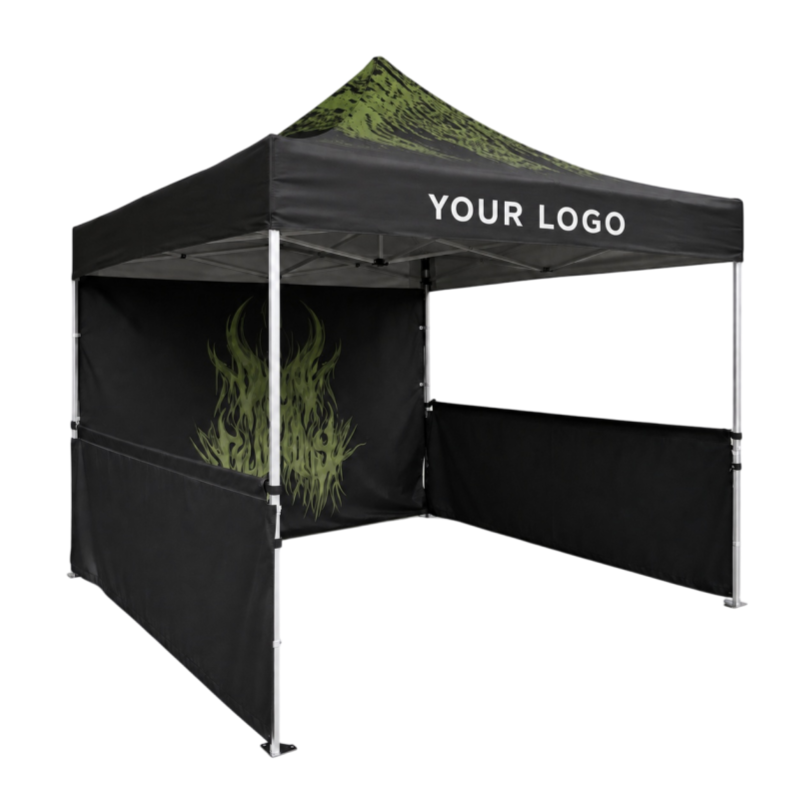
A custom canopy tent manufacturer turns three inputs into a branded structure: printed polyester, welded steel tube and controlled sewing. Yutang has run all three on one site in Tongling, Anhui since 2005, and the arrangement shows in two places a buyer can inspect. The fabric carries a print that cannot peel. The frame carries a wall thickness that does not dent at the button hole. The questions below therefore follow the order a factory audit raises them.

Who Is Yutang As A Canopy Tent Manufacturer?
Yutang is an outdoor gear manufacturer and does not broker production. The company has produced tents, flags, chairs and rainwear since 2005, and it now operates a 70,000 square metre plant serving more than 120 countries and regions. The portfolio holds over 80 self-owned patents across tent, chair and rainwear structures. Those three figures describe capacity, reach and design ownership, and each one changes what a buyer can ask for.
Which Products Share One Production Floor?
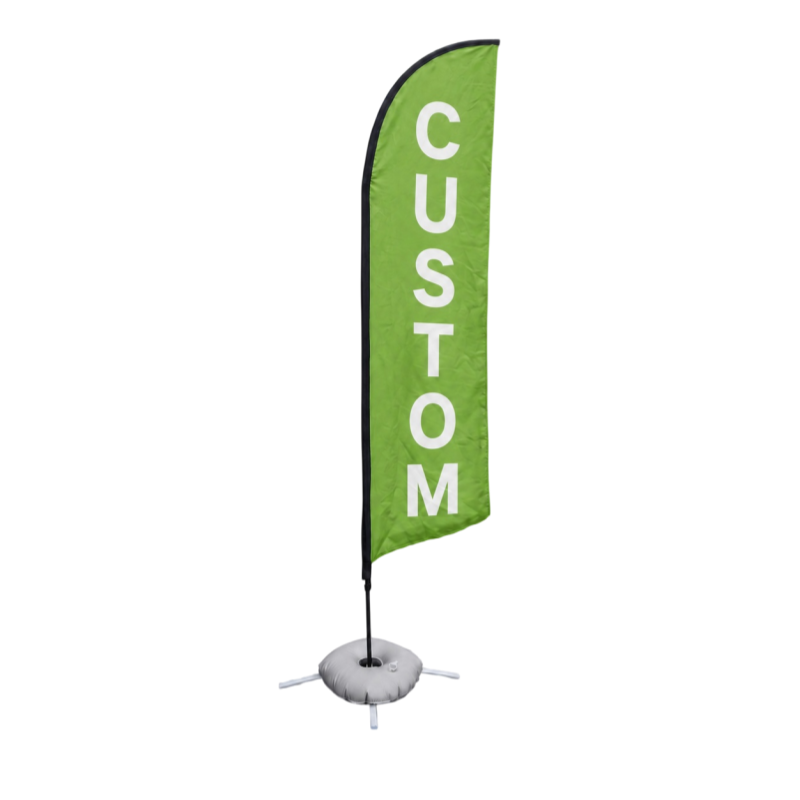
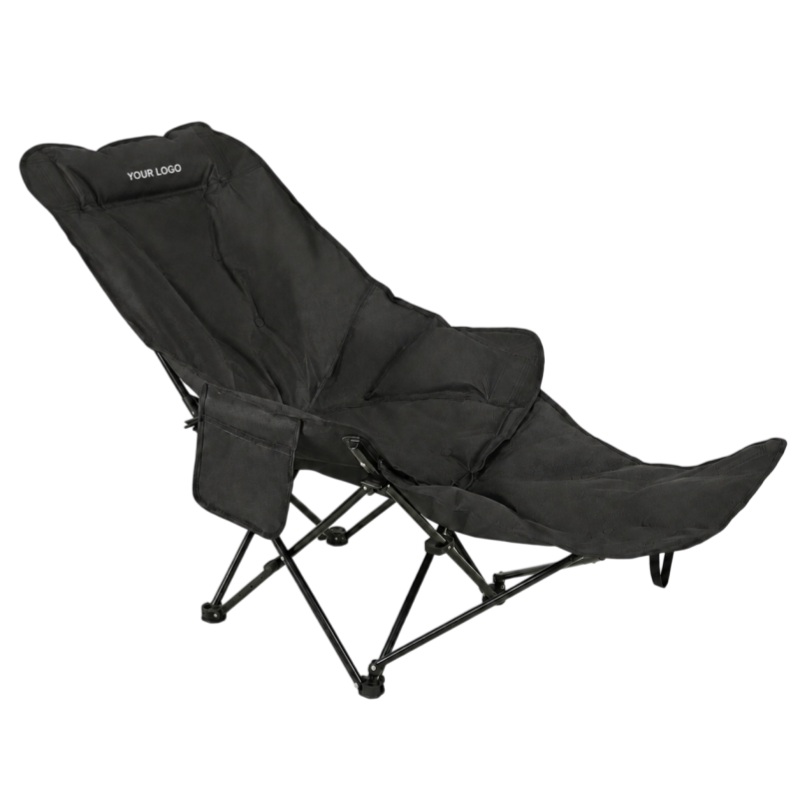
Cutting, sublimation printing, sewing and frame assembly share a single floor. A printed canopy and a feather flag cut from one roll keep one dye lot. Consequently, a matched set ordered together reads as one brand under the same light. Frames are also sold separately for the replacement market, while folding chairs and tables complete an event package from the same quality system.
Which Parts Does The Factory Still Buy In?
No plant makes every component on site. Zippers, webbing, grommets, spring buttons, nylon joints and cartons arrive from specialist suppliers. Incoming inspection therefore decides the outcome, since a joint that cracks at minus ten degrees still passes a visual check. A cold chamber belongs beside the inspection bench for that reason.
How Does Yutang Fabric Differ From Others?
Fabric is where a canopy tent manufacturer hides most of its cost, and it is where Yutang spends most of its control effort. Most quotations name one denier number and stop there. Yutang specifies a construction instead: yarn size, weave, finished weight, coating type, coating weight and flame treatment. Every value goes onto the order sheet, and the finished roll must match it.

What Gets Inspected On The Roll?
Every roll passes an inspection frame before the cutter touches it. The operator checks for holes, coating gaps, shade variation and width drift. A roll that fails returns to the mill. Consequently, one bad roll never becomes forty bad canopies, and the check costs only minutes per roll.
How Is Colour Held Across A Batch?
Colour control starts with one dye lot per order and continues at the press. Yutang prints a strike-off, presses it at the recorded temperature and compares it with the approved reference in daylight. The press log records time, temperature and pressure for each batch. A press running ten degrees cool looks correct and then crocks in the wash, because the dye never fully diffuses into the fibre.
Why Does Coating Weight Beat Denier?
Denier describes yarn density. GSM describes the finished cloth with coating included. Two 600D fabrics can differ by 40 gsm because one carries a heavier PU layer, and that layer sets the water resistance a buyer actually needs. Yutang quotes both numbers and states the hydrostatic head beside them.
How Is Print Bonded To The Cloth?
Dye sublimation changes phase instead of laying a film on the surface. The printer deposits disperse dye on transfer paper, then a press drives it into polyester at roughly 175 °C. The dye returns to solid inside the fibre. The graphic cannot crack, flake or peel, and it survives the crease that a folding canopy repeats for years.
How Is The Steel Tube Made?
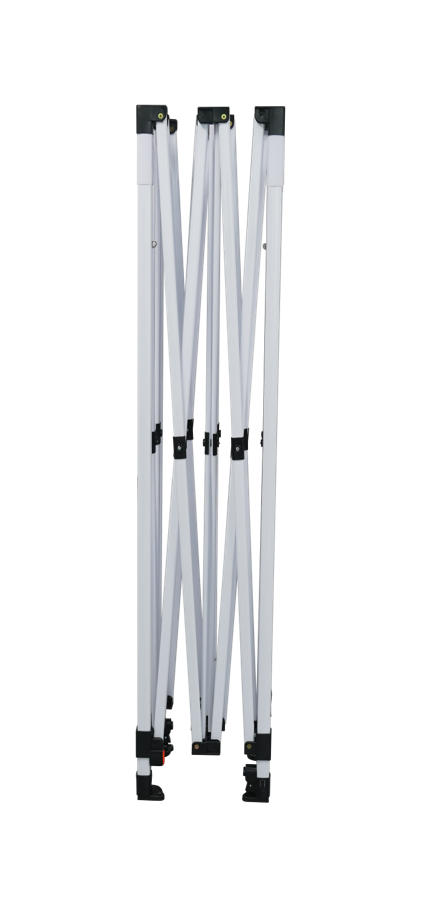
The frame absorbs every gust, so tube quality decides the warranty. Yutang builds frames from 25 to 40 mm tube in Q195, Q235 or Q345. The grade is quoted in writing beside the wall thickness. Four process steps separate a frame that lasts three years from one that lasts eight, and the canopy tent pole guide lists the full size range.
Where Does The Weld Seam Sit?
Tube begins as steel strip, electrically welded into a seam and then drawn to size. Seam position matters more than most buyers realise. A seam on the outer face sits exactly where bending stress peaks. Yutang places the seam at the inner corner, away from the bracket load. That decision delays the fatigue crack which ends a cheap leg.
Why Does Cold Drawing Change Tolerance?
Cold drawing after welding tightens the wall and smooths the surface for coating. A cold-drawn tube holds roughly plus or minus 0.05 mm. A hot-rolled alternative can drift 0.15 mm across a single length. In practice, that gap appears as a leg which dents on one side only. Straightness is quoted the same way, and good tube bows under a millimetre per metre.
How Are Tubes Cut, Punched And Welded?
A tube cutter sets length, a punch station opens the button holes, and a weld jig holds the truss square during assembly. Each step carries a tolerance. The button hole is the thinnest section of any leg. Yutang keeps 1.0 mm as the commercial floor and moves to 1.2 mm for rental stock. Telescoping legs need 0.2 to 0.3 mm of clearance, or the frame jams whenever it racks under load.
Which Coating Line Protects The Tube?
Coating choice decides corrosion life. Electro-galvanized tube carries 10 to 20 g/m² of zinc and survives 48 to 96 hours of salt spray. Hot-dip galvanizing reaches 500 to 1,000 hours. Yutang runs a duplex specification for premium frames: zinc first, then polyester powder coating cured at 180 to 200 °C. That combination clears 1,000 hours, and cut ends receive a zinc-rich touch-up before packing.
Why Must Fabric And Frame Match?
A 600D canopy on a 25 mm frame fails in both directions. The cloth adds mass the frame cannot carry, and the frame flexes until a seam opens. Matching the two is therefore the first rule of a quotation. It is also the rule most often skipped when two prices sit side by side. A canopy tent manufacturer that quotes a cloth and a tube separately leaves that match to the buyer.
What Happens When One Side Is Upgraded?
Upgrading fabric alone leaves a roof that sags at mid-span, pools water and then fails at a seam. Upgrading tube alone leaves a light cloth that flaps and abrades against the corner. Yutang quotes the pair together and states the span limit each pairing supports. The full canopy tent range follows those pairings rather than a single house specification.
Which Checks Prove Both Streams?
Quality control measures rather than inspects. A canopy tent manufacturer earns its warranty at three points: incoming material, in-process stations and final inspection before packing. Furthermore, each check produces a number that a buyer can audit later, and the canopy tent factory guide maps every station on the route.
How Does AQL Sampling Work?
Acceptance sampling converts lot size into sample size and a pass number. Under a common general inspection level, a lot of 1,200 units draws 80 samples, and one critical defect rejects the lot. Consequently, a report means nothing without the standard, the inspection level and the defect definitions attached to it.
What Does A Light Booth Reveal?
A light booth places the sample under controlled daylight, tungsten and ultraviolet sources. Metamerism makes two colours match under one lamp and diverge under another, so a shop-floor check under fluorescent tubes misses it. A backlit canopy exposes pinholes and coating skips that look solid in reflected light.
Which Frame Tests Run On A Sample?
Calipers settle a wall thickness argument in ten seconds. Measure three points along every leg and check the button hole first. A salt spray report names the hours and the zinc weight. A weld inspection covers penetration, not paint. Raise the frame twice and watch the corner brackets, because a four-minute setup usually means a joint is binding.
How Does A Custom Order Run?
A custom order follows six stages, and the sequence is fixed because each stage produces the input for the next. A canopy tent manufacturer that skips the sample stage simply moves that risk to the container. Yutang quotes three to four weeks for production and shipping on a typical order, with a standard minimum of 100 pieces.
When Does A Sample Pay For Itself?
A sample costs money and a week, and it removes the largest single risk in the order. Artwork on a screen hides scale errors. A 10 mm logo on a 3 by 3 m roof reads as a speck from ten metres. The sample shows the hand of the fabric, the stiffness of the frame and the shade of the print in daylight.
Which Delays Come From The Buyer?
Most late shipments trace back to an input that arrived late. A raster file, a Pantone reference without a coating match or a logo approval that waits four days all push the calendar. A canopy tent manufacturer that publishes its input checklist protects both sides, and Yutang publishes its own. A buyer who returns approvals within a day recovers most of that slack.
Which Certifications Support An Export Order?
Certification answers a narrow question: has an outside body tested this factory or product against a published standard? Yutang displays RoHS, BSCI, CE and ISO certification for its factory and products, alongside automated testing equipment and a dedicated R&D department.
Which Certificate Applies To Which Market?
Market access rules decide the shortlist. A European venue asks for a reaction-to-fire classification, a United States venue asks for NFPA 701, and a North American camping retailer asks for CPAI-84. The useful question is not whether a factory holds certificates. It is which certificate covers this product in this market.
Why Do Test Dates Matter?
Flame treatments wash out and finishes age, so a certificate carries a date and a sample identity. A report issued for one fabric construction does not cover another, and an auditor will check that the material on the report matches the goods. A test older than a few years invites a re-test at the worst possible moment.
Why Choose Yutang As A Long-Term Partner?
Six advantages matter to a distributor, a promotional supplier or an event business. Each one answers a risk rather than a preference. Fabric, tube, print, sewing, inspection and packing sit on one site, so a defect is owned by one team. That arrangement removes the inter-plant leg from the lead time entirely.
What Does OEM Cover Compared With ODM?
OEM and ODM describe who owns the design and not who owns the machine. In OEM, the buyer supplies the drawing and Yutang manufactures to it, so the job is conformance. In ODM, Yutang holds the design and the buyer applies a brand, which draws on the patent portfolio. A private label route adds exclusivity, colour, trim and packaging to the ODM base.
How Does A Patent Protect A Buyer?
A registered folding mechanism protects the buyer as much as the factory. Once a design is registered, a competing supplier cannot copy the joint and release a lookalike into the same retail channel. A buyer holding exclusive rights to a patented frame gains a structural difference that a competitor cannot match on price alone.
What Should A Buyer Confirm Before Ordering?
Five questions close most of the gap between a quotation and a delivered canopy. Asking them in writing costs nothing and prevents the disputes that appear at the second event. The factory FAQ answers the commercial questions around lead time, samples, MOQ and warranty.
Which Specification Lines Go Into The Order?
Write the fabric construction, the finished GSM, the coating weight and the hydrostatic head. Add the tube grade, the outside dimension and the wall thickness. Name the zinc weight behind the word galvanized. Attach the defect list and the inspection level, so the AQL report later has something to measure against.
How Can A Factory Be Verified Remotely?
Remote verification works when the evidence is specific. A business licence with a matching address, a quality certificate with a valid date and a recent bill of lading answer three different questions. Yutang publishes a factory tour video and welcomes visits, which lets a buyer cross-check the floor against the documents.
What Does This Manufacturer Overview Prove?
The argument reduces to one idea: quality is decided before the price is agreed. Fabric weight, coating weight, tube wall, seam position, zinc layer and inspection standard each carry a number, and every number can be written into an order. Yutang has held those numbers on one site since 2005, across 70,000 square metres, more than 120 countries and over 80 patents. As a result, a buyer who checks five specifications receives a product that matches them. That check is where this canopy tent manufacturer overview ends.
Send the fabric construction, tube grade, size and quantity to the Yutang team through the contact page for an order-specific quotation.

 Canopy Tent Flags