 Skip to content
Uncategorized
Event Tent Material Customization Guide

Mar
Part One: Fundamental Understanding and Uniqueness
Question 1: What fundamentally distinguishes an Event tent from a regular outdoor tent?
Event tents are temporary architectural structures engineered specifically for commercial display and brand presentation.
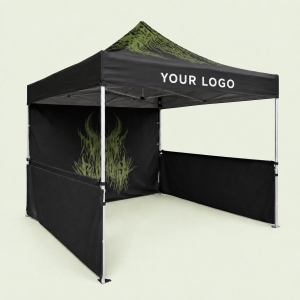
Their uniqueness manifests in three critical dimensions. First, they feature modular structural design, utilizing unitized components that allow for seamless expansion or reduction based on venue size—a capability standard camping tents simply cannot match. Second, they offer exceptionally open facades, typically engineered without center poles to achieve 100 percent internal space utilization, which proves essential for displaying exhibits or vehicles. Furthermore, visual branding takes priority in their design philosophy. The canopy and sidewalls serve as premium advertising surfaces, supporting high-definition digital printing that makes your brand visible from hundreds of meters away. Successful Event tent Material selection ensures these branding elements remain vibrant and weather-resistant throughout your Event.
Question 2: What are the mainstream frame Materials for Event tents, and how should I choose between them?
The frame serves as the tent’s skeleton, fundamentally determining its safety profile and longevity. Currently, the international market features two dominant frame types:
| Frame Type | Advantages | Ideal Applications | |
|---|---|---|---|
| Aluminum Frame | Lightweight, high hardness, naturally rust-proof, corrosion-resistant, 15 to 20-plus year lifespan | Frequent touring exhibitions, high-end auto shows, weddings requiring repeated assembly | |
| Hot-Dip Galvanized Steel Frame | Exceptional load-bearing capacity, superior wind resistance, relatively cost-effective | Semi-permanent warehouses, large industrial exhibitions, long-term construction sites |
Selection Insight: If your schedule involves frequent international touring exhibitions, lightweight aluminum frames can significantly reduce logistics costs. Conversely, for long-term leased venues, robust steel frames deliver unbeatable value and permanence. Your frame choice directly influences your overall Event tent Material selection strategy and potential for future Customization.
Part Two: Core Parameters and Customization Deep Dive
Question 3: With so many canopy Materials available—PVC, polyester, polycarbonate—how do I choose?
Understanding Event tent Material selection for canopies determines your tent’s visual appeal and protective performance.
-
Double-Sided PVC-Coated Polyester (Industry Standard): This represents the premier choice for professional Event tents. It offers exceptional tensile strength and waterproofing capabilities. Internationally trending models typically utilize 650 grams per square meter to 850 grams per square meter PVC fabric, achieving waterproof ratings of IPX4 or higher while blocking over 80 percent of harmful UV radiation. Moreover, high-quality PVC incorporates B1-grade flame retardancy, meeting mandatory safety regulations at international exhibitions. For optimal Event tent Material selection, PVC remains the most versatile option.
-
Polyester Oxford Fabric (Lightweight Contender): Materials like 600-denier Oxford fabric provide lightweight portability and good wrinkle resistance, suiting smaller pop-up stores or indoor supplementary booths. However, their durability typically falls short of PVC alternatives. Consider this in your Event tent Material selection only for short-term, protected applications.
-
Transparent Polycarbonate Panels or Glass (High-End Customization): If you need to showcase luxury products or create an exceptionally bright, airy atmosphere, consider replacing sidewalls with transparent Materials. This not only introduces natural light but elevates the entire booth’s modern aesthetic and perceived sophistication. This premium Event tent Material selection option commands attention at high-end Events.
Question 4: I want a truly unique booth—what specific possibilities does sidewall Customization offer?
Sidewall Customization represents your most powerful tool for brand differentiation.
-
Full-Color Logo and Graphics Printing: Your corporate identity and product imagery can be directly transferred onto sidewalls using screen printing or high-definition digital dye-sublimation. International bestsellers typically support seamless panel splicing, ensuring graphic continuity across panels. Your Event tent Material selection should account for print compatibility and colorfastness, enabling creative Customization.
-
Functional Sidewall Designs: Beyond display, sidewalls serve practical functions. You can customize panels with integrated transparent windows for enhanced natural lighting, zippered door panels facilitating product or equipment access, or full mesh sidewalls that maximize ventilation while reducing wind load. These functional enhancements complement your primary Event tent Material selection and expand Customization possibilities.
-
Custom Shapes for Unique Profiles: When paired with peaked, dome, or hexagonal tent geometries, sidewalls require custom shaping to maintain streamlined design integrity and create striking visual impact. This specialized Event tent Material selection requires experienced fabricators who understand architectural Customization.
Question 5: Frame Customization sounds highly technical—what practical benefits does it offer me?
Frame Customization liberates your tent from fixed dimensions, tailoring it specifically to your venue and requirements.
-
Custom Dimensions and Spans: Standard products typically offer 3-meter, 5-meter, or 10-meter spans. Through Customization, you can achieve column-free spans of up to 60 meters. This proves critical for displaying large machinery or hosting banquets for hundreds of guests. Frame specifications should align with your overall Event tent Material selection parameters.
-
Height Adaptation and Terrain Leveling: If your booth sits on sloped or uneven ground, customizing leg lengths or incorporating adjustable base plates ensures stable setup without requiring ground hardening or extensive site preparation. This flexibility maximizes your Event tent Material selection investment and demonstrates the value of Customization.
-
Wind Resistance and Ballast Integration: For coastal Events or windy locations, you can specify reinforced anchoring systems or integrated slots for additional ballast using water bags or sandbags, ensuring structural integrity even in strong wind conditions. Professional-grade frames are tested for wind loads up to 100 kilometers per hour when properly installed. This engineering consideration complements your fabric Event tent Material selection and shows how Customization enhances safety.
Part Three: Practical Application and Decision Framework
Question 6: How do I match tent specifications to specific Event types for optimal results?
This involves a scenario-based decision process that builds upon your Event tent Material selection priorities.
-
For Luxury Auto Launches or Product Reveals: Choose aluminum frames combined with glass or transparent panel combinations. The transparent aesthetic perfectly complements high-end product positioning, and when paired with interior lighting, creates dazzling display environments. This premium Event tent Material selection elevates brand perception and allows extensive visual Customization.
-
For Large-Scale Trade Exhibitions: Prioritize cost-effectiveness and rapid setup. Aluminum frames combined with flame-retardant PVC fabric represents the ideal pairing. Additionally, consider customizing raised sidewalls and rooftop crown moldings to elevate your visual presence above densely packed booth surroundings. This practical Event tent Material selection balances budget and performance while enabling impactful Customization.
-
For Outdoor Music Festivals or Food Events: High foot traffic and food handling require special attention to ventilation and flame resistance. Select sidewalls incorporating mesh ventilation panels and verify all Materials meet stringent fire safety certifications. Safety-driven Event tent Material selection protects attendees and assets, and thoughtful Customization can improve crowd flow.
-
For Temporary Warehousing or Industrial Use: Practicality becomes paramount. Hot-dip galvanized steel frames combined with 850 grams per square meter high-tenacity PVC delivers maximum durability and safety, with fully enclosed configurations available for product privacy protection. Industrial Event tent Material selection prioritizes longevity over aesthetics, though basic Customization options still apply.
Question 7: Everyone emphasizes flame-retardant tents—how important is this certification?
Extremely important—it represents the non-negotiable safety baseline for Event access.
International exhibitions mandate strict fire safety compliance. Professional Event tent fabrics must meet CPAI-84, NFPA 701, or DIN 4102 international fire standards, or domestic equivalents like B1-grade flame retardancy. Flame retardancy means the Material self-extinguishes upon flame removal, not that it will not burn. This critical property can provide precious minutes for crowd evacuation during emergencies. Therefore, always request official test reports from certified third-party laboratories—not merely generic compliance statements. Verify flame ratings during your Event tent Material selection process, as this is a non-negotiable aspect of responsible Customization.
Part Four: The Customization Journey and Procurement Strategy
Event Tent Material Customization Guide
Question 8: What does the complete tent Customization process look like?
Understanding this workflow ensures smooth communication with suppliers and realistic expectation setting.
-
Step 1: Initial Consultation: Define your Event scale, expected attendance, venue characteristics, and branding objectives. Consider per-person space requirements—10 to 12 square feet for seated dining, 5 to 6 square feet for cocktail receptions. Discuss your desired Event tent Material selection parameters and Customization goals.
-
Step 2: Design and Proofing: Suppliers create digital mockups for your approval, including logo placement, color matching using Pantone systems, and graphic scaling. Confirm that your Event tent Material selection supports the desired printing technique and that the design aligns with your Customization vision.
-
Step 3: Material Selection: Based on your climate conditions and Event duration, suppliers recommend appropriate frame alloys and fabric weights or coatings. This stage is critical for proper Event tent Material selection and should involve sample requests to ensure the Material meets your expectations for Customization.
-
Step 4: Production and Printing: Lead times typically range from 15 to 25 days for standard orders, extending to 35 to 45 days for complex designs requiring prototyping. Complex Event tent Material selection may extend production timelines, especially when intricate Customization is involved.
-
Step 5: Quality Control: Reputable manufacturers conduct rigorous inspections for print accuracy, structural integrity, and weather resistance before shipping. Verify that your Event tent Material selection meets all specified performance criteria and that Customization details are executed correctly.
-
Step 6: Logistics and Installation: Full container load shipping reduces per-unit freight costs for large orders. Some suppliers offer on-site installation support. Proper handling preserves your Event tent Material selection investment during transport, ensuring your Customization arrives in perfect condition.
Question 9: Beyond price, what supplier capabilities should I evaluate?
Event Tent Material Customization Guide
Selecting the right partner requires assessing operational depth and technical reliability.
-
Technical Validation: Verify that suppliers conduct wind load simulations and provide certified flame-retardant documentation from recognized laboratories. Request evidence of their Event tent Material selection expertise and experience with complex Customization projects.
-
Production Scale: Factory footprints exceeding 3,000 square meters ensure stable batch processing. Monthly output above 15,000 square meters supports large-scale requirements. Volume capacity indicates Event tent Material selection experience and ability to handle bulk Customization orders.
-
Communication Efficiency: Response times under 3 hours strongly correlate with proactive project management capabilities. Clear communication prevents misunderstandings about Event tent Material selection specifications and Customization details.
-
Certification Portfolio: Look for ISO 9001, CE, RoHS compliance alongside fire safety certifications. These credentials validate Event tent Material selection quality standards and the supplier’s commitment to excellence in Customization.
Conclusion
Event Tent Material Customization Guide
Selecting the perfect outdoor Event tent extends far beyond aesthetic considerations—it requires comprehensive evaluation of **structural engineering focusing on frames, materials science focusing on fabrics, and visual communication focusing on Customization. Drawing insights from international marketplace trends, the most successful investments are not necessarily the cheapest options, but rather those achieving optimal balance between safety, practicality, and brand presence through thoughtful Event tent Material selection and creative Customization.
Armed with this Event Tent Material Customization Guide, you can approach your next procurement with confidence, ensuring your booth not only stands out among competitors but confidently withstands whatever outdoor challenges arise. Remember that reputable suppliers offering end-to-end Customization—from three-dimensional modeling to branded packaging—provide the greatest long-term value for your Event investment. Proper Event tent Material selection remains the foundation upon which successful outdoor Events are built. Your attention to Event tent Material selection and Customization will determine both immediate impact and long-term durability for every exhibition you undertake.

 Canopy Tent Flags