 Skip to content
Uncategorized
Winter Camping Chair Guide
Jan
Q: Why is choosing a camping chair for winter fundamentally different from summer?
A: Winter camping demands specialized gear, and your chair is no exception. Unlike summer focus on breathability, winter selection prioritizes thermal retention, material resilience in freezing temperatures, and stability on unforgiving terrain. This Winter Camping Chair Selection Guide is designed to navigate these unique challenges, ensuring your outdoor comfort doesn’t freeze when the temperature drops.
The Winter Challenge: Understanding the Environment
Winter conditions pose specific threats to outdoor furniture. Consequently, your chair must combat conductive heat loss, withstand potential moisture from snow and frost, and remain pliable when materials naturally stiffen. Furthermore, trade data indicates a growing demand for gear that addresses these “shoulder season” and winter camping needs, moving beyond fair-weather designs. Therefore, selecting a chair ill-suited for cold can lead to discomfort, rapid heat loss, and even material failure.
Material Deep Dive: Engineering for Cold Resilience
The core of a reliable winter chair lies in its material science. Each component must be chosen for its cold-weather performance.
-
Frame Materials: The Backbone of Stability
-
Aluminum Alloys (Anodized): A top choice for its excellent balance of strength and light weight. More importantly, high-grade anodized aluminum offers superior corrosion resistance against snowmelt and damp conditions. For instance, models using aerospace-grade 7075 aluminum have gained popularity in demanding markets for their certified durability.
-
Reinforced Steel: If ultimate load capacity and wind resistance are priorities, powder-coated steel frames are exceptionally sturdy. However, it is crucial to verify the quality of the rust-proof coating, as winter moisture accelerates corrosion on inferior finishes.
-
Advanced Composites: Engineered plastics like glass-fiber reinforced polypropylene represent a high-tech alternative. Specifically, these materials are completely immune to rust and can maintain flexibility and impact resistance in temperatures as low as -30°C, making them a clever choice for frigid environments.
-
-
Fabric & Upholstery: Your Barrier Against the Cold
-
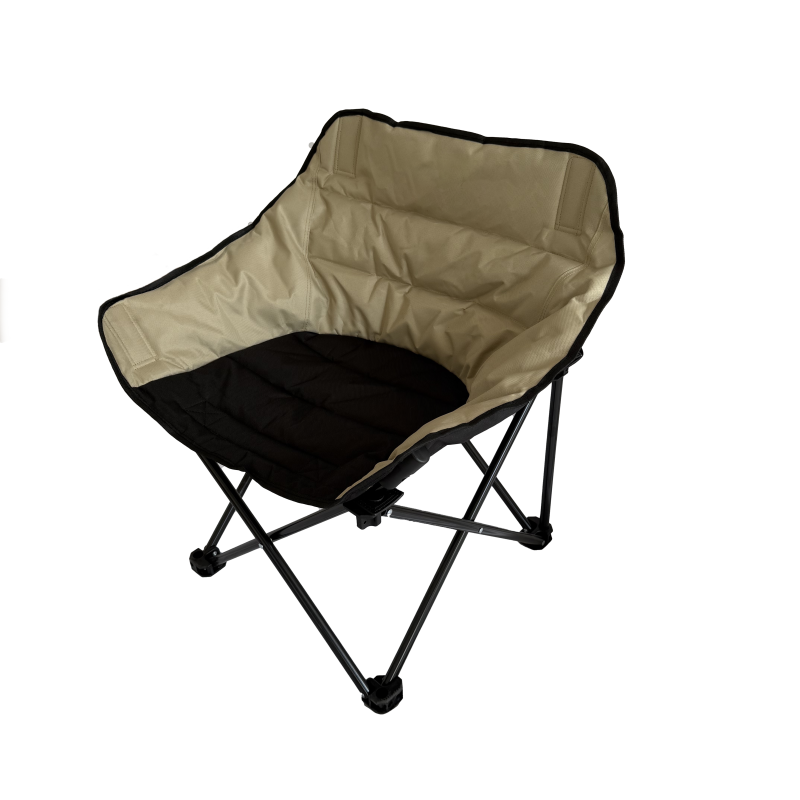
Fabric Types: Standard single-layer polyester or nylon common in summer chairs will not suffice. Instead, look for high-density materials like 600D or 900D Oxford fabric, known for its wind resistance and durability. For enhanced insulation, some premium chairs feature double-layered or quilted fabrics that trap warm air.
-
Critical Treatments: The fabric treatment is as vital as the base material. Firstly, a durable Water-Resistant (PU/PVC) Coating is essential to prevent snow from seeping through. Secondly, while UV protection is less critical, look for fabrics with good mildew resistance for long-term storage in damp conditions.
-
Winter-Specific Features & Practicality
Beyond materials, specific functional designs drastically improve the winter experience.
-
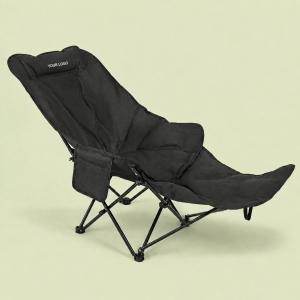
Insulation & Heat Retention: Consequently, chairs with attachable, insulated seat pads are invaluable. These pads create a crucial barrier between your body and the cold chair fabric. Some innovative models even integrate double-wall insulation in their design for superior thermal efficiency.
-
Stability & Terrain Adaptability: Winter ground can be soft, uneven, or icy. Therefore, chairs with oversized, non-slip foot pads or wide ski-style feet prevent sinking into snow or mud. Additionally, a low center of gravity and a wider base profile enhance stability against winter gusts.
-
Practical Add-ons for Convenience: Moreover, features like insulated cup holders that can accommodate a thermos, or sealed storage pockets for keeping gloves dry, transition from luxuries to winter necessities.
Selecting for Your Winter Activity
Your primary winter activity should guide your final choice. For example:
-
Backcountry Snow Camping: Prioritize minimum weight and compact packing size. Anodized aluminum frames with minimalist, high-strength fabric are ideal.
-
Car Camping & Ice Fishing: Here, maximum comfort and robustness are key. Heavier steel frames, ample padding, and wind-blocking side panels or attached canopies are highly beneficial for long, stationary sessions.
-
Festive Winter Gatherings: Balance style with quick setup. Look for chairs that fold easily even with gloved hands and have finishes that resist stains from winter beverages.
Care and Maintenance for Longevity
Proper care after winter use extends your chair’s life significantly. Always dry the chair completely before storage to prevent mold and frame corrosion. Wipe down frames to remove salt and moisture, and store in a cool, dry place.
Conclusion
Q: What is the ultimate key to selecting the best winter camping chair?
A: In summary, a successful choice hinges on intentionally selecting for thermal insulation, material toughness in the cold, and terrain-ready stability. By applying the principles in this Winter Camping Chair Selection Guide, you invest not just in a seat, but in a reliable haven of warmth that makes cold-weather adventures not just possible, but profoundly enjoyable.

 Canopy Tent Flags