 Skip to content
Uncategorized
Outdoor Camping Furniture Selection Guide

Jan
Q1: What are the most important factors when choosing camping chairs?
Outdoor Camping Furniture Selection Guide
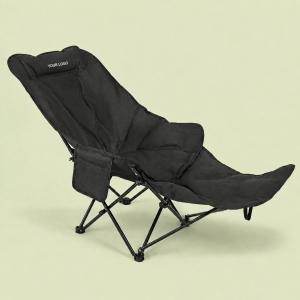
A: Your chair is the most-used piece of camping furniture. Selection hinges on three factors: material durability, weight, and comfort.
-
Frame: Aluminum alloy offers the best strength-to-weight ratio for backpacking. For car camping where weight is less critical, steel frames provide superior sturdiness and often a lower price point.
-
Fabric: Look for durable, tear-resistant materials like Oxford cloth or polyester. Mesh panels add crucial breathability on hot days.
-
Portability & Features: Consider the packed size, weight, and extra features like cup holders, side pockets, or reclining positions.
Pro Tip: Test the chair’s stability on uneven ground before buying. A wider base often means better balance.
Q2: How do I select a camping table for different needs?
Outdoor Camping Furniture Selection Guide
A: Your camping table should match your group size and primary activities. This key piece of outdoor furniture comes in many forms.
-
For Groups & Dining: Choose a stable, full-size table with an aluminum frame and a hard top like melamine plastic, which is easy to clean. Adjustable-height legs are invaluable for uneven sites.
-
For Solo & Light Use: A compact, lightweight roll-top table or a small side table is perfect for a coffee cup, camp stove, or game.
-
Material Matters: Aluminum tops are lightweight, while wooden tops offer a classic look but require more maintenance.
Helpful Resource: For a deep dive on table types and durability, check out REI’s Camp Table Guide.
Q3: What should I look for in a tent’s materials and construction?
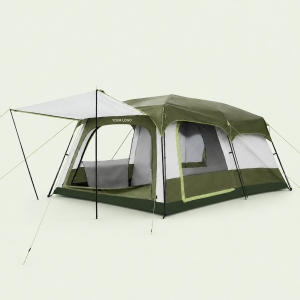
A: As your primary shelter, a tent is the cornerstone piece of camping furniture. Focus on fabric, waterproofing, and structure.
-
Canopy Fabric: Polyester or nylon are standard. Polyester resists UV degradation better, while nylon is lighter and stronger for its weight.
-
Waterproof Rating: Check the hydrostatic head (HH) rating. A rating of 1500mm is good for light rain; 3000mm+ is recommended for reliable performance in heavy, sustained rain.
-
Pole Material: Aluminum poles are the gold standard—strong, lightweight, and flexible. Fiberglass poles are more common in budget tents but can be heavier and more prone to snapping.
Pro Tip: Always use a ground footprint to protect your tent floor and enhance waterproofing.
Q4: Can you recommend practical furniture bundles for different campers?
A: Bundling your camping furniture ensures compatibility, simplifies packing, and often offers better value. Here are two classic outdoor furniture bundles:
-
The Backpacker & Couples Bundle: Prioritize weight and pack size. Combine a lightweight backpacking tent (e.g., 2-3 person), two compact, low-profile camp chairs, and a small, roll-top camping table.
-
The Family & Car Camper Bundle: Prioritize space, comfort, and durability. Choose a large cabin or family tent, four sturdy, high-back chairs with armrests, and a full-size, height-adjustable camping table. Add a comfortable sleeping pad or air mattress for complete comfort.
Q5: Why is material choice so critical for outdoor furniture?
A: Material choice is the single most important factor in the performance and lifespan of your camping furniture. The right materials are engineered to combat specific outdoor challenges.
-
Durability & Weather Resistance: Aluminum frames resist rust and corrosion. High-denier polyester or Oxford cloth fabrics withstand abrasion, UV rays, and moisture without degrading.
-
Function & Comfort: Quick-dry foam and breathable mesh fabrics prevent mildew and increase comfort. Powder-coated finishes on metal parts provide an extra layer of protection.
-
Long-Term Value: Investing in quality materials from reputable brands for your outdoor furniture means less maintenance, fewer replacements, and greater reliability trip after trip. It’s the foundation of a functional and enjoyable camping kit.

 Canopy Tent Flags